Reference: F&VPERabg
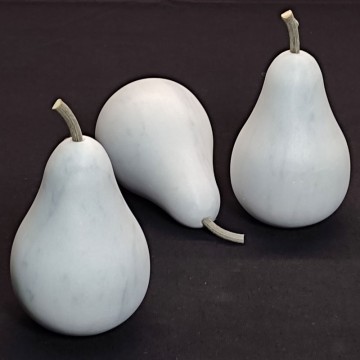
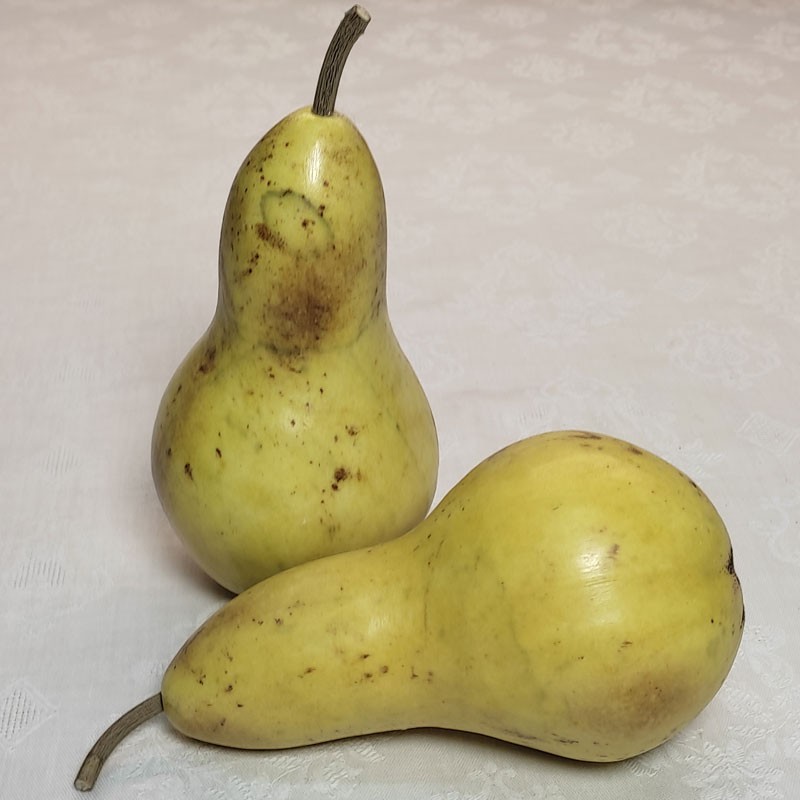
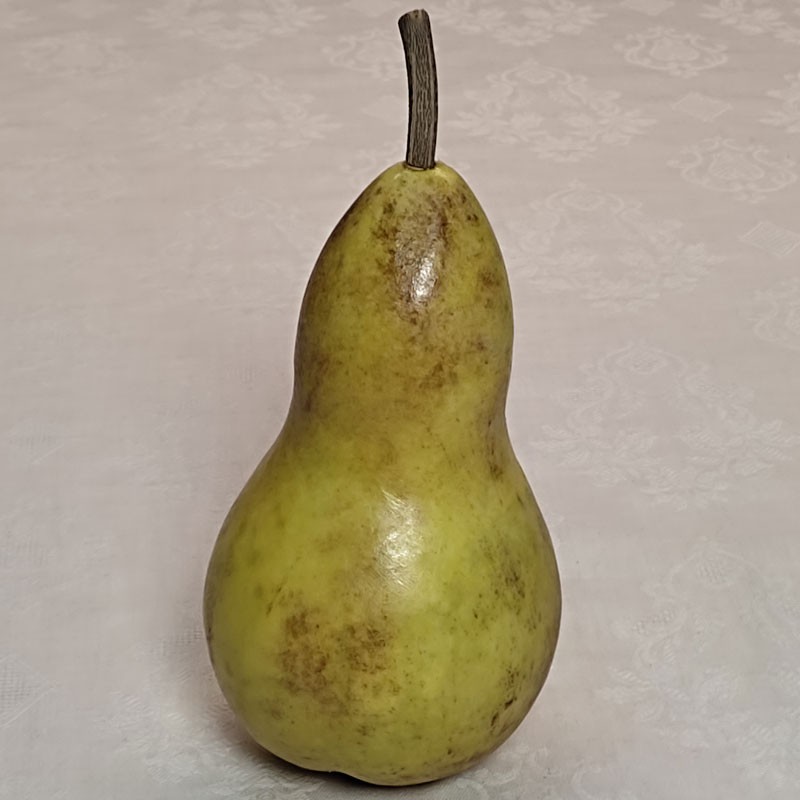
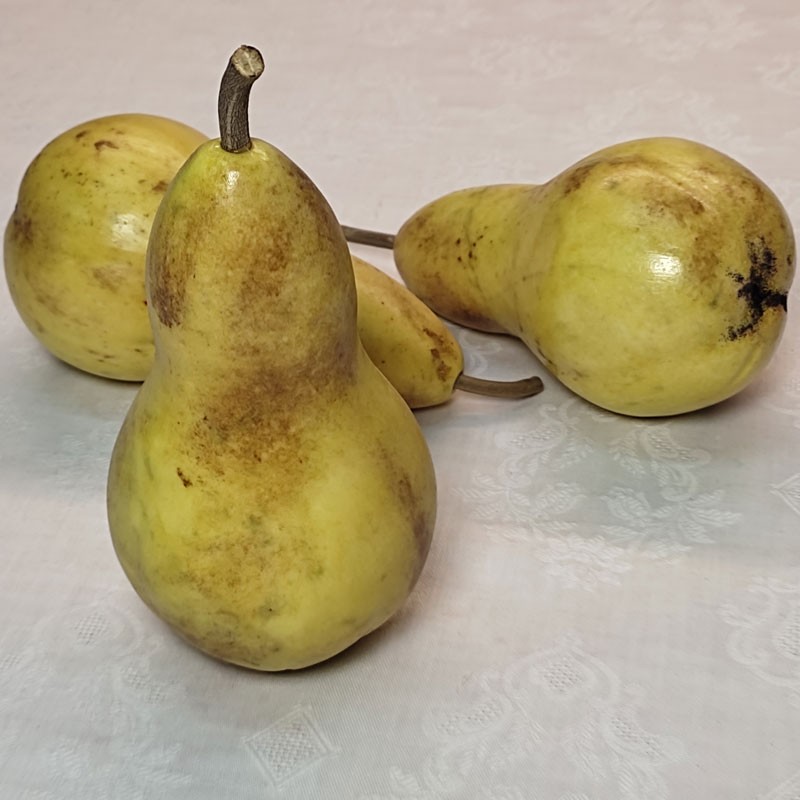
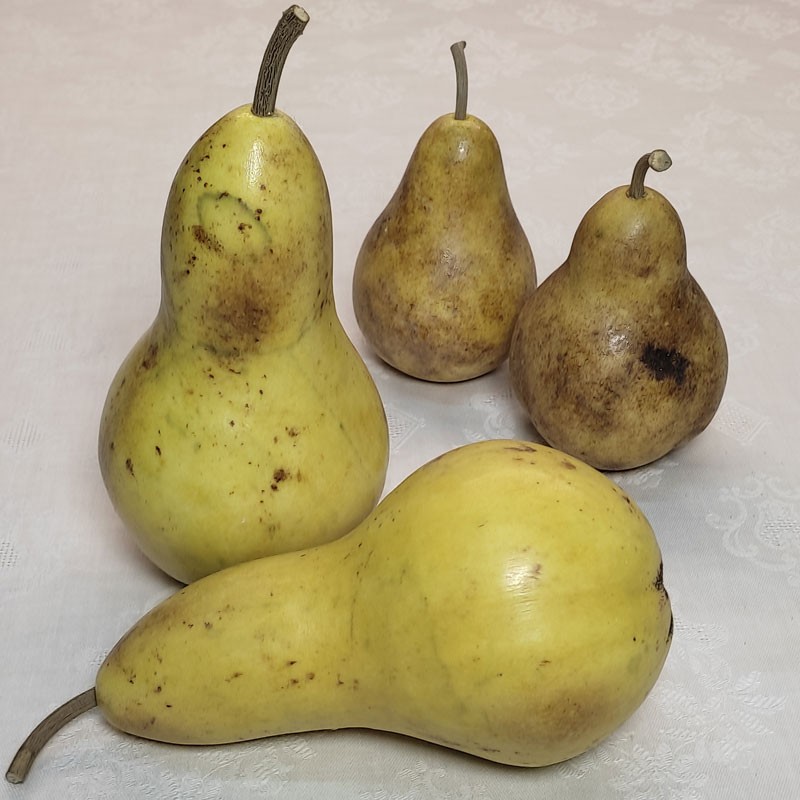
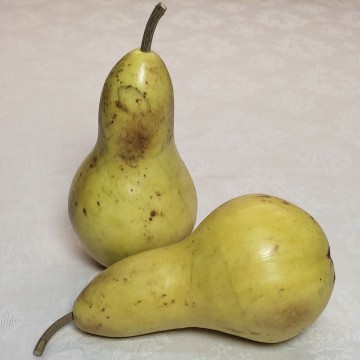
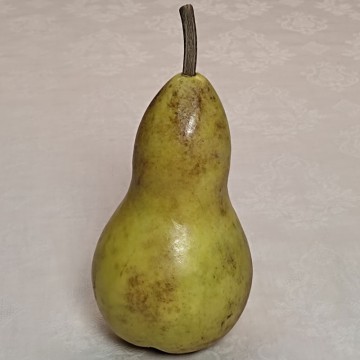
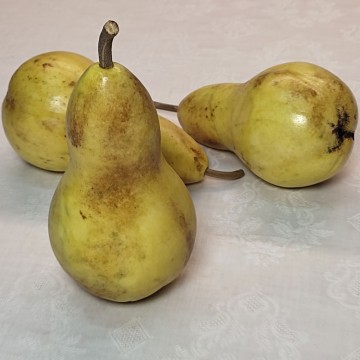
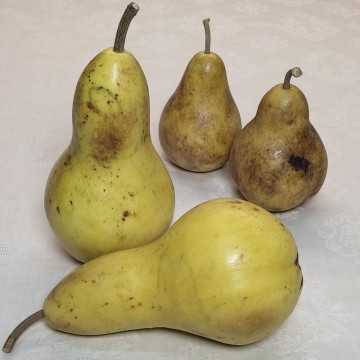
Each pear is carved from an only piece of White Carrara marble, sculpted and hand painted with pigments of natural origin and bee wax, using the same methods of Michelangelo age.
Each fruit is made unique by small irregularities of shape and colour.
 Security policies
Transactions on PayPal secure server
 Terms and Conditions
Read our term and conditions
The real name of the Abate pear is Abate Fetel, after the French priest who was the first to select this type of pear in the 15th century.
It has an unmistakable elongated shape, a thin yellow-green, mostly russet skin and firm, juicy, aromatic and sugary flesh.
Pears are false fruits of trees of the genus Pyrus, belonging to the Rosaceae family. The real fruit in fact consists of the core, while the edible part is the fleshy receptacle covered by the fibrous skin.
The pear is a tasty seasonal fruit with good nutritional values and is very digestible. It prefers regions with a temperate climate.
.
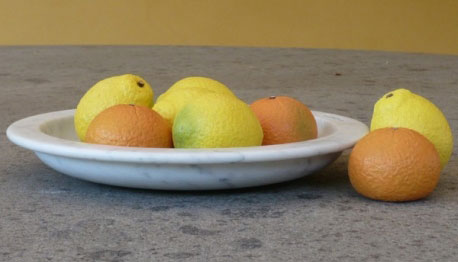
At the foot of the Apuan Alps, Carrara is unique in the world for its marble quarries. The “white gold of the Apuan Alps”: this is how the marble of Carrara is defined, a precious stone with which important works have been realised and that has made this town, for centuries devoted to its extraction and processing, great.
One of the first people to venture into marble quarrying were the Romans who, by inserting beams of fig wood inside natural fissures in the rock, filled these with water until they were completely impregnated and caused the rock to split. This extraction technique remained unchanged, if not with minor variations, until the Renaissance when Michelangelo began to frequent the Carrara area to directly choose the raw material for his works: it was from Carrara, transported along the Arno, that the block from which the Maestro sculpted the famous David came.
Marble thus became an important raw material for the construction, furnishing and decoration of public buildings and patrician residences.
Even today, skilful artists and craftsmen still work this material with mastery, creating stupendous works of art and decorative objects that become true furnishing accessories.
Data sheet
Each pear is carved from an only piece of White Carrara marble, sculpted and hand painted with pigments of natural origin and bee wax, using the same methods of Michelangelo age.
Each fruit is made unique by small irregularities of shape and colour.
Each pear is carved from a single piece of white Carrara marble, sculpted, finished and polished in its natural state: "nature".
Small irregularities in the shape make each fruit unique.
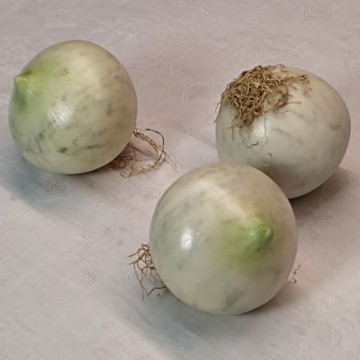
Each onion is carved from an only piece of White Carrara marble, sculpted and hand painted with pigments of natural origin and bee wax, using the same methods of Michelangelo age.
Each fruit is made unique by small irregularities of shape and colour.
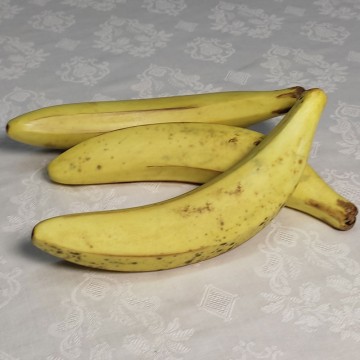
Each banana is carved from an only piece of White Carrara marble, sculpted and hand painted with pigments of natural origin and bee wax, using the same methods of Michelangelo age.
Each fruit is made unique by small irregularities of shape and colour.
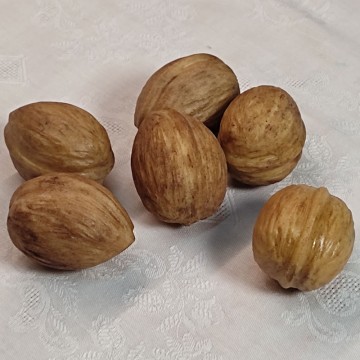
Each walnut is carved from an only piece of White Carrara marble, sculpted and hand painted with pigments of natural origin and bee wax, using the same methods of Michelangelo age.
Each fruit is made unique by small irregularities of shape and colour.
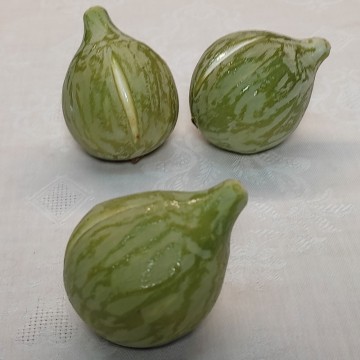
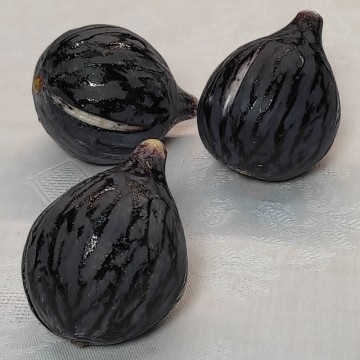
Each fig is carved from an only piece of White Carrara marble, sculpted and hand painted with pigments of natural origin and bee wax, using the same methods of Michelangelo age.
Each fruit is made unique by small irregularities of shape and colour.
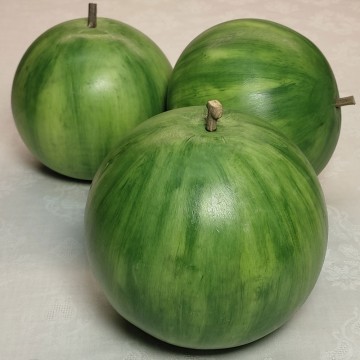
Each watermelon is carved from an only piece of White Carrara marble, sculpted and hand painted with pigments of natural origin and bee wax, using the same methods of Michelangelo age.
Each fruit is made unique by small irregularities of shape and colour.
Each fig is carved from an only piece of White Carrara marble, sculpted and hand painted with pigments of natural origin and bee wax, using the same methods of Michelangelo age.
Each fruit is made unique by small irregularities of shape and colour.
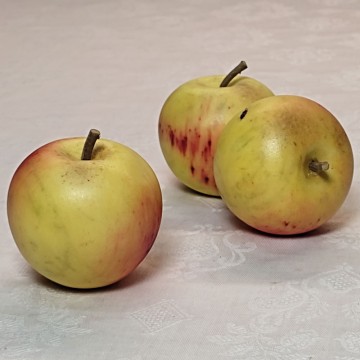
Each apple is carved from an only piece of White Carrara marble, sculpted and hand painted with pigments of natural origin and bee wax, using the same methods of Michelangelo age.
Each fruit is made unique by small irregularities of shape and colour.
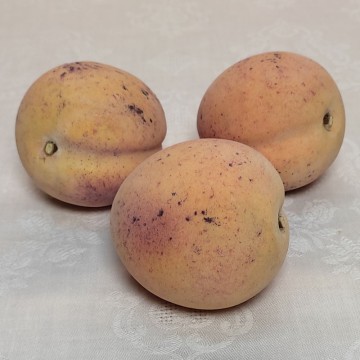
Each apricot is carved from an only piece of White Carrara marble, sculpted and hand painted with pigments of natural origin and bee wax, using the same methods of Michelangelo age.
Each fruit is made unique by small irregularities of shape and colour.
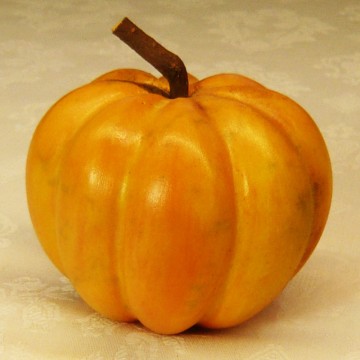
Each pumpkin is carved from an only piece of White Carrara marble, sculpted and hand painted with pigments of natural origin and bee wax, using the same methods of Michelangelo age.
Each fruit is made unique by small irregularities of shape and colour.
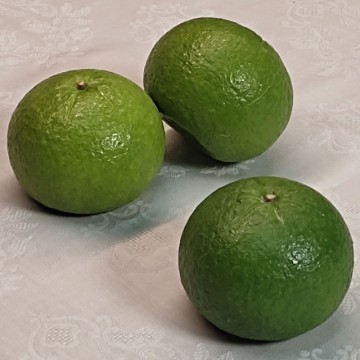
Each tangerine is carved from an only piece of White Carrara marble, sculpted and hand painted with pigments of natural origin and bee wax, using the same methods of Michelangelo age.
Each fruit is made unique by small irregularities of shape and colour.
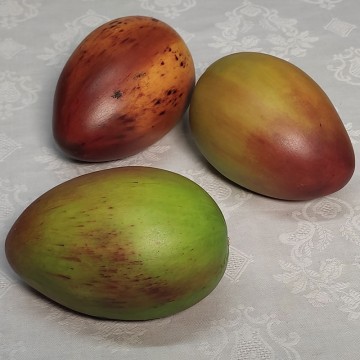
Each mango is carved from an only piece of White Carrara marble, sculpted and hand painted with pigments of natural origin and bee wax, using the same methods of Michelangelo age.
Each fruit is made unique by small irregularities of shape and colour.
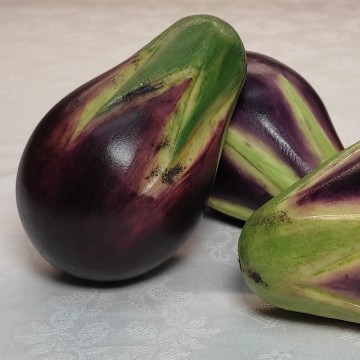
Each aubergine is carved from an only piece of White Carrara marble, sculpted and hand painted with pigments of natural origin and bee wax, using the same methods of Michelangelo age.
Each fruit is made unique by small irregularities of shape and colour.
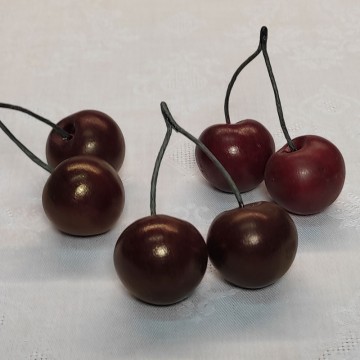
Each cherry is carved from an only piece of White Carrara marble, sculpted and hand painted with pigments of natural origin and bee wax, using the same methods of Michelangelo age.
Each fruit is made unique by small irregularities of shape and colour.
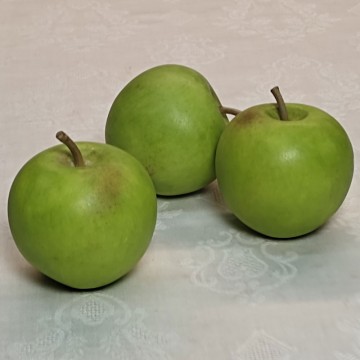
Each apple is carved from an only piece of White Carrara marble, sculpted and hand painted with pigments of natural origin and bee wax, using the same methods of Michelangelo age.
Each fruit is made unique by small irregularities of shape and colour.
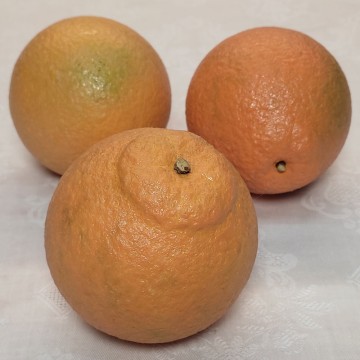
Each orange is carved from an only piece of White Carrara marble, sculpted and hand painted with pigments of natural origin and bee wax, using the same methods of Michelangelo age.
Each fruit is made unique by small irregularities of shape and colour.